
E-Bike Accidents on Shared Paths or Bike Lanes: How Rules Differ and What Victims Should Know
May 27, 2026
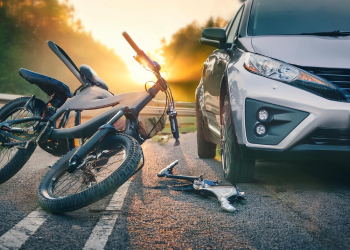 When a sudden accident shatters the quiet of a morning commute or a weekend ride, the physical pain is often accompanied by a sense of profound shock. One moment, there is the breeze and the rhythm of the pedals; the next, there is the screech of tires and the impact of pavement.
These incidents aren’t just legal files; they represent disrupted lives, missed work, and the heavy burden of medical recovery. It’s a frightening experience to feel vulnerable on a path that was supposed to be safe, especially when trying to manage the aftermath of a crash while focused on healing.
Rabin Law Firm in Syracuse, New York, assists victims in regaining their stability after a crash by handling the legal details. They serve individuals throughout Central New York, including Syracuse, Binghamton, Utica, Watertown, and Rochester. If you or a loved one is struggling with the fallout of a collision, reach out now.
Differing Rules for Shared Paths and Dedicated Bike Lanes
The rules governing e-bikes often change depending on where the tires meet the ground. Shared-use paths, often found in parks or along waterfronts, are designed for pedestrians, joggers, and cyclists. In these areas, the rules of the road are replaced by the rules of courtesy and specific local ordinances.
Most shared paths require motorized bikes to yield to all non-motorized users. Speed limits on these paths are typically much lower than those on streets, and failing to adhere to these limits can be a primary factor in an accident.
In contrast, dedicated bike lanes are usually part of the municipal roadway system. When you are riding in a bike lane, you are often subject to the same traffic signals and directional requirements as motor vehicles. However, e-bikes are categorized into different classes based on their top speeds and whether they have a throttle.
New York law generally allows Class 1 and Class 2 e-bikes on most bike lanes, but Class 3 e-bikes—which can reach 28 mph—are sometimes restricted or subject to different age and helmet requirements. Distinguishing between these two environments is vital for determining fault.
A rider might be legally permitted to travel at 20 mph in a bike lane next to traffic, but that same speed could be considered negligent on a crowded shared path near a playground. Because the legal standard of "reasonable care" varies by setting, victims need to document exactly where the incident occurred.
Determining Liability in Multi-User Collisions
Identifying who is at fault in an e-bike accident requires a close look at the actions of everyone involved. On shared paths, liability often hinges on "right of way" violations. For example, if an e-bike rider passes a pedestrian without signaling or at an unsafe speed, they may be held responsible for any resulting injuries.
"Dooring" is a frequent cause of injury, where a driver opens a car door into the path of an oncoming e-bike. Motorists making right-hand turns often fail to check their blind spots for cyclists. In these cases, the driver of the car is liable, but insurance companies often try to shift the blame onto the e-bike rider by claiming they were traveling too fast.
To establish liability, it’s important to gather evidence immediately. This includes:
Police reports: Official documentation provides a neutral third-party account of the scene and any citations issued.
Witness statements: Bystanders can offer perspectives on speed, signaling, and the sequence of events that a participant might have missed.
Video footage: Many shared paths are monitored by park cameras, and many city streets have business surveillance or "ring" cameras that catch the impact.
Equipment inspections: Checking the e-bike’s motor and braking system can rule out mechanical failure or prove the rider was using a legal class of vehicle.
Once this evidence is gathered, it becomes easier to show that a party's negligence caused the crash. They work to uncover these details so that the burden of proof doesn't rest solely on your shoulders. By systematically reviewing the facts, they help make sure that the responsible party is held accountable for the harm they caused.
Why Legal Guidance Is Vital After a Collision
The legal system isn't always prepared for the rapid rise of electric mobility. Insurance companies often exploit the lack of clear, universal e-bike regulations, attempting to deny claims or offer lowball settlements. They might argue that an e-bike is a "motor vehicle" to avoid paying out under a homeowner's policy, or conversely, claim it’s a "toy" to limit the scope of liability. An experienced personal injury lawyer knows these tactics and how to counter them effectively.
A legal advocate does more than just file paperwork; they act as a buffer between you and the insurance adjusters. They handle the phone calls, the requests for statements, and the aggressive questioning that often follows an accident.
Working through the aftermath of a crash shouldn't be a solo endeavor. They provide the guidance necessary to move through the legal process with confidence. With their help, you can hold negligent parties responsible and secure the resources needed for your future.
Finding Support After Your E-Bike Accident
If you've been hurt on a trail or a city street, remember that you don't have to carry the weight of this accident alone. The physical pain is enough to deal with without the added pressure of legal battles and insurance disputes. Demand that the person who caused your injuries take responsibility for their actions. Your focus should remain on your health and your journey back to normalcy.
Rabin Law Firm in Syracuse, New York, is dedicated to helping people find their footing after a life-changing accident. They provide compassionate, thorough legal representation to victims across Central New York, including Syracuse, Binghamton, Utica, Watertown, and Rochester. Reach out to a lawyer to discuss your situation and learn how they can support your recovery.