
Do Bike Riders Get No-Fault Benefits in NY? What to Do After a Bicycle Crash in Central New York
Oct. 6, 2026
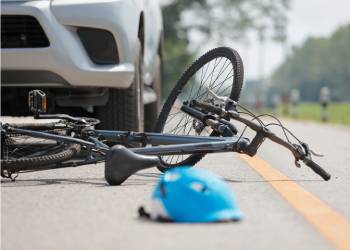 After a bicycle crash, many riders are surprised to learn that New York no-fault benefits may be available, but not in every case. In general, a bicyclist hit by a motor vehicle in New York can often seek no-fault benefits for medical bills and lost wages through the vehicle’s insurance, but that does not mean every bike accident is covered or that no-fault is the only claim that matters.
In the Syracuse area and throughout Central New York, that distinction can affect how quickly an injured rider gets treatment paid for and whether a larger injury claim is preserved.
Fortunately, Attorney Ben Rabin at the Rabin Law Firm helps people examine what coverage may apply after a crash and what steps can protect a personal injury case from the start. Schedule a free consultation today to get compassionate legal guidance while you focus on recovery.
How No-Fault Applies to a Bicycle Crash
New York’s no-fault system generally applies when a bicyclist is injured through the use or operation of a motor vehicle. That means if a car, truck, SUV, or other covered motor vehicle strikes a bike, the injured cyclist may be entitled to first-party benefits, often called Personal Injury Protection or PIP, under New York’s insurance law.
Those benefits can help cover basic economic loss such as necessary medical treatment, a portion of lost earnings, and certain other reasonable and necessary expenses, up to policy limits. The core rule comes from New York’s no-fault law, which defines covered basic economic loss and first-party benefits in New York Insurance Law Article 51.
In practice, this means a bicyclist does not necessarily have to wait for a liability claim to resolve before getting some bills paid. But no-fault is not a full injury recovery. It is limited, and it does not automatically compensate for pain and suffering. Also, note that one of the most important no-fault rules is timing. In New York, written notice of a no-fault claim generally must be given within 30 days of the accident, subject to limited exceptions. The state’s official no-fault regulations appear in 11 NYCRR Part 65.
Specific Instances When No-Fault Is Unsuccessful
No-fault benefits are usually tied to motor vehicle involvement. If a rider falls because of a road defect, a broken bike part, debris, another cyclist, or a pedestrian, no-fault coverage may not apply at all. The same applies in other situations where no qualifying motor vehicle is connected to the crash.
Coverage questions can also arise if the vehicle leaves the scene, multiple policies may apply, or the insurer disputes how the collision happened. That is one reason early documentation matters. A no-fault claim can be delayed or denied if the insurer argues that the incident was not a covered motor vehicle accident.
For injured riders, the practical point is simple: do not assume that “bike accident” and “no-fault” always go together. The details of how the crash happened usually control the answer.
Recoverable Benefits Under No-Fault
No-fault benefits are designed to cover economic losses, not every consequence of an injury. In New York, those benefits commonly include:
Medical and rehabilitation expenses that are reasonable and necessary
A percentage of lost earnings, subject to statutory limits
Certain other necessary expenses related to the injury
Those payments can be critical after a serious bicycle collision, especially when emergency care, follow-up treatment, imaging, physical therapy, or time away from work starts adding up quickly.
At the same time, no-fault has limits. It does not automatically pay for bike replacement, full lost income, or non-economic harm such as pain and suffering. For that, an injured cyclist may need a separate liability claim against the at-fault driver.
What to Do Right After a Bicycle Crash
The first steps after a bicycle crash can affect both health and insurance issues. If possible, an injured rider should seek medical attention promptly, call police, identify the driver and vehicle, get witness information, and take photos of the bike, scene, injuries, and any damage.
Medical records are especially important. If there is a gap between the crash and treatment, insurers may argue that the injuries were minor or unrelated. It also helps to keep copies of discharge papers, bills, prescriptions, and proof of missed work.
If the driver’s insurer contacts the rider quickly, that does not mean the insurer is there to sort everything out on the cyclist’s behalf. Statements, forms, and early settlement discussions can affect both no-fault benefits and any later injury claim. Before giving detailed recorded statements or signing broad authorizations, it is often wise to understand what those documents may allow the insurer to do.
Potential Pitfalls When Determining Fault
Bicycle crashes in Syracuse and elsewhere in Central New York often raise practical problems beyond the initial impact. The driver may claim they didn't see the cyclist. The insurer may downplay the injuries. Disputes may arise over lane position, visibility, traffic signals, or whether the bike rider was partly at fault.
New York follows a comparative fault rule, which means an injured person’s damages can be reduced if that person is found partly responsible. That does not automatically bar recovery. Under New York’s comparative negligence statute, partial fault reduces damages rather than eliminating the claim altogether.
That can matter in real-world terms. Even if a driver argues that the cyclist should have been more visible or should have reacted differently, the rider may still have a valid claim. The evidence collected early often shapes how those arguments play out later.
Pursue the Compensation You Deserve After an Injury in Central New York
Syracuse personal injury attorney Benjamin Rabin has practiced law for more than two decades. Most of that time has been devoted to helping people harmed by someone else’s carelessness pursue the financial support they need to recover. The firm’s attorney has recovered millions of dollars for clients throughout New York State.
In bicycle crash cases, Attorney Ben Rabin can help evaluate whether New York no-fault benefits may be available, what deadlines may apply, what evidence should be preserved, and whether a separate claim against the at-fault driver makes sense. That includes helping injured people understand how insurance coverage, medical documentation, and fault issues can affect a case's value and direction.
If you were hurt in a bicycle crash and need to know whether no-fault benefits apply, whether another claim should be filed, or what to do next, Rabin Law Firm offers free consultations.