
Multi-Vehicle Chain-Reaction Collisions on Highways: How Fault Is Divided in Complex Pile-Ups
March 11, 2026
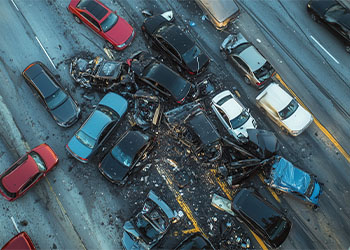 In multi-vehicle chain-reaction collisions on highways, everything happens fast — and the impact can change lives in an instant. One moment you’re heading home or driving to work, and the next you’re surrounded by damaged vehicles, injured drivers, and unanswered questions about who’s responsible. These crashes often leave people shaken, confused, and worried about medical bills, lost income, and recovery.
For many drivers, the most frustrating part comes after the crash. Insurance companies begin pointing fingers. Drivers blame each other. Stories conflict. In a pile-up involving three, five, or even a dozen vehicles, determining fault isn’t simple. Each driver may believe they did nothing wrong, yet multiple people could share legal responsibility. That uncertainty can feel overwhelming when you’re trying to heal.
Rabin Law Firm has seen how devastating chain-reaction crashes can be for families across Central New York. Based in East Syracuse, the firm represents clients in Syracuse, Binghamton, Utica, Watertown, and Rochester. Reach out to the firm to discuss your options today.
Why Multi-Vehicle Highway Collisions Are So Difficult to Untangle
Chain-reaction car accidents often begin with a single triggering event. A driver brakes suddenly. Another driver follows too closely. The weather reduces visibility. A distracted motorist fails to react in time. Once the first impact occurs, vehicles behind may have no opportunity to avoid striking the cars in front of them.
Unlike a typical two-car collision, where fault may seem clearer, a multi-vehicle crash can involve several separate impacts. One driver may cause the initial crash, but others may contribute by speeding, tailgating, or driving while distracted. In these situations, fault doesn’t always rest with one person.
Investigators and insurance adjusters examine:
The sequence of impacts
The distance between vehicles
Road and weather conditions
Vehicle damage patterns
Witness statements
Traffic camera or dashcam footage
Even when evidence is available, disputes over fault are common. A driver in the middle of the chain may argue they were pushed into the vehicle ahead, while the rear driver may claim traffic stopped unexpectedly. Determining liability often requires a careful, step-by-step reconstruction of the crash.
Because New York follows a comparative negligence system, more than one driver can share fault. As a result, your compensation may be reduced by your percentage of responsibility. For example, if you are found 20% at fault, your recovery would be reduced accordingly. In multi-vehicle collisions, determining those percentages often becomes a central point of dispute.
How Investigators and Insurance Companies Evaluate Fault
When multiple vehicles collide, insurance companies move quickly to protect their own interests. Each insurer seeks ways to limit its payouts, often by shifting fault to another driver. As a result, injured people may find themselves caught in the middle.
Several factors commonly influence how a fault is divided:
Following distance: Drivers are expected to maintain a safe distance. Rear-end impacts often create a presumption that the trailing driver is at fault, but chain reactions can complicate that presumption.
Speed: Excessive speed reduces reaction time and increases stopping distance, contributing to faults in many pile-ups.
Distracted driving: Texting, adjusting a GPS, or other distractions can significantly affect responsibility.
Weather conditions: Rain, snow, or ice require drivers to adjust their behavior. Failing to do so may increase the amount of fault.
Mechanical failure: In rare cases, brake failure or other defects could shift fault away from the driver and toward a vehicle manufacturer or maintenance provider.
After gathering evidence, insurers may assign each driver a percentage of fault. These decisions aren’t always fair or accurate. An injured person who accepts an early settlement without reviewing the evidence may unknowingly accept more fault than they should.
An experienced accident lawyer can help you review accident reports, consult with reconstruction professionals, and challenge unfair fault determinations.
Common Scenarios in Highway Chain-Reaction Crashes
Highway pile-ups happen for many reasons, but certain patterns appear again and again. Recognizing how these scenarios unfold can shed light on how fault is assigned.
Below are some frequent causes of multi-vehicle crashes:
Sudden traffic slowdowns: Congestion or construction can cause abrupt braking. Drivers who fail to slow in time may bear significant fault.
Adverse weather events: Snow squalls and icy pavement are common in Central New York. Drivers who don’t reduce speed may share fault in resulting crashes.
Distracted driving chains: One distracted driver may start the crash, but others who were also inattentive can contribute to the spread of impacts.
Commercial vehicle involvement: Tractor-trailers require longer stopping distances. When a large truck triggers or contributes to a pile-up, determining fault can involve additional regulations and corporate liability questions.
Multi-lane merging issues: Improper lane changes or unsafe merges can trigger a series of collisions across multiple lanes.
These scenarios show that liability can extend beyond the initial impact. Even drivers who feel they were simply in the wrong place at the wrong time may still face claims of partial fault, making a thorough investigation essential before accepting any conclusions.
When multiple drivers share fault, insurance coverage limits become important as well. If several injured parties seek compensation from a single at-fault driver, the policy limits may not cover all damages.
What Injured Drivers Should Do After a Pile-Up
The aftermath of a highway chain-reaction crash can feel chaotic. Police, ambulances, tow trucks, and multiple drivers may be present at the scene. While safety and medical attention come first, certain steps can protect your rights.
In the days and weeks following the collision, consider the following actions:
Seek medical evaluation: Even if injuries seem minor, documentation is critical. Some injuries don’t show symptoms immediately.
Preserve evidence: Keep photographs, repair estimates, and medical records.
Avoid recorded statements without advice: Insurance adjusters may ask questions designed to shift fault.
Request the police report: It often contains initial findings on fault.
Consult legal counsel early: An attorney can review whether fault has been assigned fairly and advise you before negotiations begin.
Taking these steps doesn’t mean you’re escalating conflict. It simply means you’re protecting yourself in a situation where fault can be disputed.
In Central New York, winter driving conditions can make pile-ups especially severe. When roads are slick and visibility is limited, insurers sometimes argue that drivers should have anticipated the danger. However, that doesn’t automatically mean you bear fault. Every case depends on its specific facts.
You Don’t Have to Carry the Weight of Disputed Fault Alone
Being injured in a multi-vehicle highway collision can feel overwhelming. Medical appointments, vehicle repairs, and lost income can quickly pile up, while insurance companies focus on assigning percentages of fault as if your injuries were just numbers on a spreadsheet.
Rabin Law Firm works with crash victims throughout East Syracuse and across Syracuse, Binghamton, Utica, Watertown, and Rochester to investigate pile-ups and challenge unfair fault determinations. If you’re facing uncertainty after a chain-reaction collision, reach out today and let the firm help you move forward with confidence.